WhatsApp Marketing Campaigns: A Complete Guide
Learn How to Create Effective WhatsApp Campaigns to Engage Customers and Generate Leads
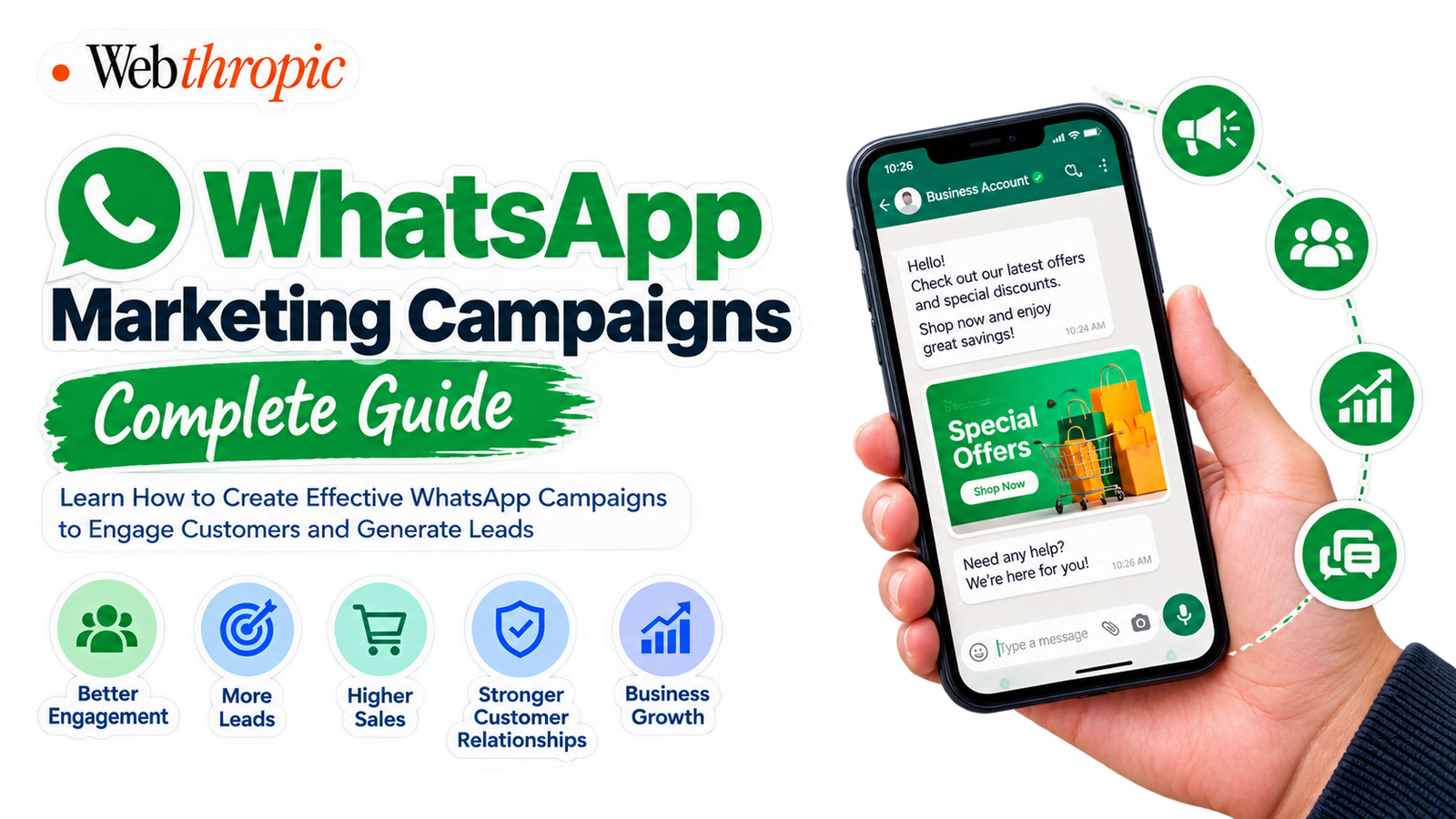
In today's digital world, businesses need effective ways to communicate with customers, promote products, and build long-term relationships. Traditional advertising methods are no longer enough on their own. Customers increasingly prefer quick, convenient, and personalized communication. This is where WhatsApp Marketing Campaigns can help businesses connect with their audiences more directly.
WhatsApp is widely used for personal and professional communication. Businesses can use it to share product updates, announce special offers, answer customer questions, send appointment reminders, and provide after-sales support. When planned correctly, WhatsApp marketing can improve customer engagement, strengthen brand relationships, and support business growth.
However, successful campaigns require more than sending promotional messages. Businesses need a clear strategy, relevant content, audience segmentation, and permission-based communication. This guide explains how WhatsApp marketing works, its benefits, campaign types, best practices, and ways to measure performance.
What Are WhatsApp Marketing Campaigns?
WhatsApp Marketing Campaigns are organized marketing activities that use WhatsApp to communicate with customers and potential buyers. These campaigns may include promotional messages, product announcements, personalized recommendations, customer service updates, and follow-up messages.
Businesses can use the WhatsApp Business app for smaller-scale communication or the WhatsApp Business Platform for more advanced messaging, automation, and integrations.
For example, an online store can notify customers about a new collection, while a service-based company can share appointment confirmations or answer enquiries. An educational institution may use WhatsApp to provide course information and reminders.
The main objective is to deliver useful, timely information while making communication convenient for customers.
Why WhatsApp Marketing Is Important for Businesses
WhatsApp marketing can support different stages of the customer journey, from initial enquiries to repeat purchases. Its conversational format allows businesses to communicate with customers in a familiar environment.
1. Direct Customer Communication
Email campaigns and social media posts can be useful, but customers may not always notice them immediately. WhatsApp offers another communication channel for businesses that have permission to contact their audiences.
Companies can use it to send relevant information, answer questions, and help customers make informed decisions.
2. Personalized Marketing Experiences
Customers are more likely to engage with messages that match their needs and interests. Businesses can organize audiences based on previous enquiries, product preferences, purchase history, or service requirements, where appropriate.
Personalized communication should remain relevant and respect customer privacy.
3. Better Customer Engagement
WhatsApp supports two-way conversations. Customers can ask questions, request additional details, and receive assistance without navigating multiple platforms.
This makes it useful for businesses that want to build stronger customer relationships rather than relying exclusively on one-way advertising.
4. Support for Sales and Conversions
Businesses can share product catalogues, pricing information, service details, and booking instructions. By helping customers find answers quickly, companies can reduce friction during the buying process.
Results depend on the quality of the offer, the audience, and the overall customer experience.
5. Convenient Customer Support
Marketing does not end when a customer makes a purchase. WhatsApp can also support order updates, service reminders, troubleshooting, and feedback collection.
Reliable support can help improve customer satisfaction and encourage repeat business.
Different Types of WhatsApp Marketing Campaigns
Businesses can create several types of campaigns depending on their objectives and target audiences.
1. Promotional Campaigns
Promotional campaigns communicate discounts, seasonal offers, new launches, and limited-time deals. They can help businesses inform interested customers about relevant opportunities.
For example, a clothing store might share a message about a seasonal collection with customers who have opted in to receive product updates.
Keep promotional messages clear and avoid exaggerated claims or misleading urgency.
2. Product Launch Campaigns
When introducing a new product or service, businesses can use WhatsApp to share launch announcements, product images, key features, and enquiry options.
A well-planned launch campaign may include an initial announcement, a detailed product introduction, and a follow-up containing useful answers to common questions.
3. Lead Generation Campaigns
Lead generation campaigns help businesses attract and qualify potential customers. A company can invite interested users to request a quotation, schedule a consultation, or receive additional information through WhatsApp.
For example, a website development agency could offer a website consultation to business owners who want to improve their online presence.
The focus should be on understanding customer requirements rather than sending repeated sales messages.
4. Customer Retention Campaigns
Existing customers may appreciate relevant updates, maintenance reminders, loyalty benefits, and recommendations related to their previous purchases.
These campaigns can help businesses maintain relationships after the initial transaction. However, messages should be based on customer preferences and valid consent.
5. Abandoned Cart Campaigns
E-commerce businesses may send permitted reminders to customers who added products to their carts but did not complete checkWhatsApp Marketing Campaigns: A Complete Guide to Reaching More Customers
Introduction
In today's digital world, businesses need effective ways to communicate with customers, promote products, and build long-term relationships. Traditional advertising methods are no longer enough on their own. Customers increasingly prefer quick, convenient, and personalized communication. This is where WhatsApp Marketing Campaigns can help businesses connect with their audiences more directly.
WhatsApp is widely used for personal and professional communication. Businesses can use it to share product updates, announce special offers, answer customer questions, send appointment reminders, and provide after-sales support. When planned correctly, WhatsApp marketing can improve customer engagement, strengthen brand relationships, and support business growth.
However, successful campaigns require more than sending promotional messages. Businesses need a clear strategy, relevant content, audience segmentation, and permission-based communication. This guide explains how WhatsApp marketing works, its benefits, campaign types, best practices, and ways to measure performance.
What Are WhatsApp Marketing Campaigns?
WhatsApp Marketing Campaigns are organized marketing activities that use WhatsApp to communicate with customers and potential buyers. These campaigns may include promotional messages, product announcements, personalized recommendations, customer service updates, and follow-up messages.
Businesses can use the WhatsApp Business app for smaller-scale communication or the WhatsApp Business Platform for more advanced messaging, automation, and integrations.
For example, an online store can notify customers about a new collection, while a service-based company can share appointment confirmations or answer enquiries. An educational institution may use WhatsApp to provide course information and reminders.
The main objective is to deliver useful, timely information while making communication convenient for customers.
Why WhatsApp Marketing Is Important for Businesses
WhatsApp marketing can support different stages of the customer journey, from initial enquiries to repeat purchases. Its conversational format allows businesses to communicate with customers in a familiar environment.
1. Direct Customer Communication
Email campaigns and social media posts can be useful, but customers may not always notice them immediately. WhatsApp offers another communication channel for businesses that have permission to contact their audiences.
Companies can use it to send relevant information, answer questions, and help customers make informed decisions.
2. Personalized Marketing Experiences
Customers are more likely to engage with messages that match their needs and interests. Businesses can organize audiences based on previous enquiries, product preferences, purchase history, or service requirements, where appropriate.
Personalized communication should remain relevant and respect customer privacy.
3. Better Customer Engagement
WhatsApp supports two-way conversations. Customers can ask questions, request additional details, and receive assistance without navigating multiple platforms.
This makes it useful for businesses that want to build stronger customer relationships rather than relying exclusively on one-way advertising.
4. Support for Sales and Conversions
Businesses can share product catalogues, pricing information, service details, and booking instructions. By helping customers find answers quickly, companies can reduce friction during the buying process.
Results depend on the quality of the offer, the audience, and the overall customer experience.
5. Convenient Customer Support
Marketing does not end when a customer makes a purchase. WhatsApp can also support order updates, service reminders, troubleshooting, and feedback collection.
Reliable support can help improve customer satisfaction and encourage repeat business.
Different Types of WhatsApp Marketing Campaigns
Businesses can create several types of campaigns depending on their objectives and target audiences.
1. Promotional Campaigns
Promotional campaigns communicate discounts, seasonal offers, new launches, and limited-time deals. They can help businesses inform interested customers about relevant opportunities.
For example, a clothing store might share a message about a seasonal collection with customers who have opted in to receive product updates.
Keep promotional messages clear and avoid exaggerated claims or misleading urgency.
2. Product Launch Campaigns
When introducing a new product or service, businesses can use WhatsApp to share launch announcements, product images, key features, and enquiry options.
A well-planned launch campaign may include an initial announcement, a detailed product introduction, and a follow-up containing useful answers to common questions.
3. Lead Generation Campaigns
Lead generation campaigns help businesses attract and qualify potential customers. A company can invite interested users to request a quotation, schedule a consultation, or receive additional information through WhatsApp.
For example, a website development agency could offer a website consultation to business owners who want to improve their online presence.
The focus should be on understanding customer requirements rather than sending repeated sales messages.
4. Customer Retention Campaigns
Existing customers may appreciate relevant updates, maintenance reminders, loyalty benefits, and recommendations related to their previous purchases.
These campaigns can help businesses maintain relationships after the initial transaction. However, messages should be based on customer preferences and valid consent.
5. Abandoned Cart Campaigns
E-commerce businesses may send permitted reminders to customers who added products to their carts but did not complete checkout.
A helpful reminder can include the product name, a link to the cart, and a way to contact support. Businesses should avoid excessive follow-ups and respect opt-out requests.
6. Event and Appointment Reminders
Service providers can use WhatsApp to confirm appointments, remind customers about scheduled meetings, and share event details.
This approach is useful for clinics, consultants, training providers, salons, and other appointment-based businesses, subject to applicable policies and privacy requirements.
7. Customer Feedback Campaigns
After a purchase or completed service, businesses can invite customers to share feedback. Short surveys or simple questions can reveal areas for improvement.
Feedback requests should be respectful, easy to answer, and sent at an appropriate time.
How to Create Successful WhatsApp Marketing Campaigns
A structured process helps businesses create campaigns that are more relevant and measurable.
Step 1: Define Your Campaign Objective
Start by deciding what you want to achieve. Your goal might be to generate enquiries, promote a new product, increase repeat purchases, improve appointment attendance, or provide better customer support.
Choose one primary objective for each campaign. This makes it easier to select suitable messages and evaluate results.
Step 2: Identify Your Target Audience
Understand who should receive the campaign. Consider customer interests, previous interactions, buying preferences, location, or stage in the customer journey.
For example, people who requested information about a service may need educational content, while existing customers may benefit from maintenance reminders or related service updates.
Use customer information responsibly and only for appropriate, disclosed purposes.
Step 3: Collect Permission Before Messaging
Permission-based communication is essential for responsible WhatsApp marketing. Businesses should obtain clear consent from people before sending marketing messages and explain what types of messages they may receive.
Do not purchase contact lists or add people to promotional campaigns simply because their phone numbers are publicly available.
Provide an easy way to stop receiving marketing messages, and promptly honor opt-out requests. Follow applicable privacy laws and WhatsApp's current business messaging policies.
Step 4: Write Clear and Useful Messages
Your message should communicate its purpose quickly. Use simple language, explain the benefit, and include one clear next step.
For example:
“Hello! We have introduced new website design packages for growing businesses. If you are planning to update your website, reply to this message to learn more.”
This message is direct without relying on aggressive sales language.
Use emojis sparingly, avoid excessive capital letters, and ensure the message matches your brand voice.
Step 5: Add a Relevant Call to Action
A call to action tells customers what to do next. Depending on your objective, you might ask them to view a catalogue, book a consultation, explore a product, or reply with a question.
Avoid including too many competing actions in one message. A single, relevant CTA usually makes the next step clearer.
Step 6: Choose the Right Time and Frequency
The timing of a campaign can influence how customers respond. Consider your audience's time zone, business hours, and the nature of the message.
Avoid sending repeated promotional messages within short periods. Create a communication schedule that provides value without overwhelming customers.
Step 7: Test and Improve Your Campaign
Where your tools and audience size allow, test different message formats, calls to action, or sending times. Compare results using consistent measurement criteria.
Change one important variable at a time when possible so you can better understand which approach contributes to improved performance.
WhatsApp Business App vs. WhatsApp Business Platform
Choosing the right tool depends on your business size and communication requirements.
The WhatsApp Business app is suitable for many small businesses that need a business profile, product catalogue, quick replies, and basic customer conversations.
The WhatsApp Business Platform is designed for businesses that need more advanced capabilities, such as integration with customer relationship management systems, automation, and communication at larger scales. Depending on the implementation, it may require approved message templates and incur messaging charges.
Businesses should review the latest platform rules and pricing before selecting a solution.
Common WhatsApp Marketing Mistakes to Avoid
Even a well-designed campaign can perform poorly if it ignores customer expectations.
Sending messages without consent: Unsolicited promotions can damage trust and lead to complaints.
Using generic content for every customer: Irrelevant messages often provide little value. Segment your audience and tailor content appropriately.
Sending too many promotions: Excessive messaging can encourage people to block a business or unsubscribe.
Ignoring customer replies: Marketing creates expectations of communication. Slow or unhelpful responses can undermine the campaign.
Failing to measure results: Without tracking, businesses cannot reliably determine which messages generate meaningful outcomes.
Making misleading claims: Promotions should accurately represent prices, availability, benefits, and terms.
Avoiding these mistakes helps create a more sustainable communication strategy.
The Future of WhatsApp Marketing
Business messaging continues to evolve through automation, conversational commerce, and improved integrations. Companies can increasingly connect messaging with their websites, customer databases, sales processes, and support systems.
Automation can help answer common questions, qualify enquiries, and route conversations to the appropriate team. However, businesses should maintain human support for complex or sensitive situations.
The most effective approach combines relevant automation with helpful human interaction. Technology should make communication easier for customers, not create unnecessary barriers.
Conclusion
WhatsApp Marketing Campaigns provide businesses with a practical way to communicate with interested audiences, share relevant updates, generate enquiries, and strengthen customer relationships. From product launches and promotional offers to appointment reminders and customer retention, the channel can support several marketing objectives.
Success depends on more than message volume. Businesses need clear goals, permission-based contact lists, personalized content, suitable timing, helpful calls to action, and consistent performance tracking.
By following these principles, businesses can build a WhatsApp marketing strategy that prioritizes customer trust while supporting sustainable growth. Start with one well-defined campaign, measure its performance, learn from the results, and gradually improve your approach based on customer needs.
