What Makes an Email Marketing Campaign Successful?
Practical Strategies to Improve Email Engagement, Deliverability, and Conversions
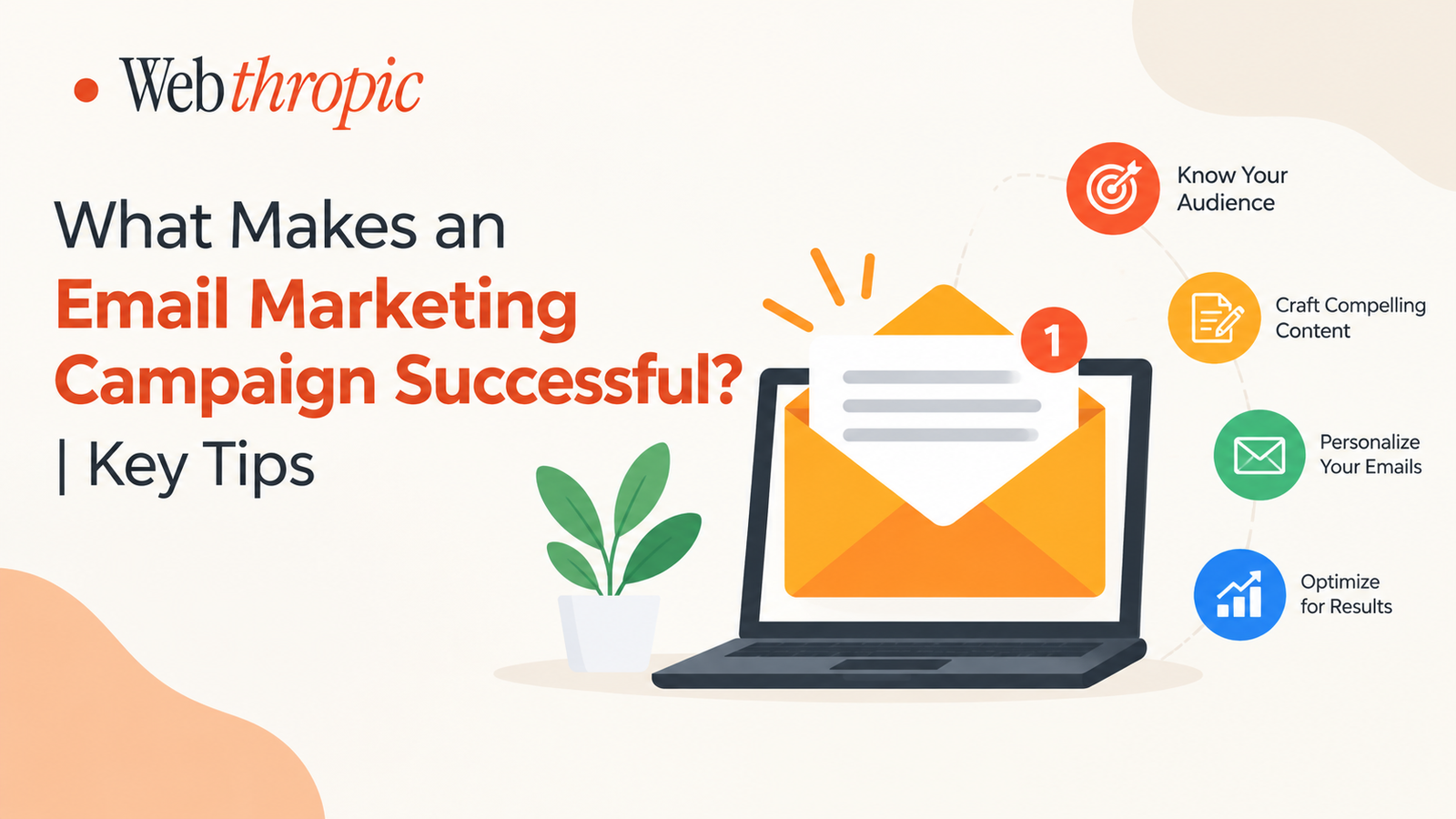
Email remains an important communication channel for businesses that want to connect with customers, share useful information, promote products, and build long-term relationships. However, simply sending emails does not guarantee meaningful results. A successful campaign requires the right audience, valuable content, clear messaging, effective timing, and continuous improvement.
So, what makes an email marketing campaign successful? The answer lies in understanding customer needs and delivering relevant messages that encourage readers to take action. Whether a business wants to generate leads, increase sales, announce a new product, or improve customer retention, a well-planned email campaign can support its marketing goals.
In this guide, we will explore the essential elements of a successful email marketing campaign, common mistakes to avoid, and practical ways businesses can improve their campaign performance.
1. Setting Clear Goals for Your Email Marketing Campaign
The first step toward success is identifying what you want your campaign to achieve. Without a clear objective, it becomes difficult to choose the right content, measure performance, or determine whether your efforts are working.
Before creating an email, ask yourself: What should the recipient do after reading this message?
Common email marketing goals include:
- Generating leads: Encourage potential customers to request information, download a resource, or book a consultation.
- Increasing sales: Share relevant product information, special offers, or purchasing recommendations.
- Building customer relationships: Provide useful updates, educational content, and personalized communication.
- Improving retention: Help existing customers discover additional features, services, or resources.
- Driving website traffic: Direct readers to relevant blog posts, landing pages, or product pages.
Choose one primary goal for each campaign. A focused objective makes it easier to create a consistent message and select an appropriate call to action.
2. Understanding and Segmenting Your Audience
A major factor that determines what makes an email marketing campaign successful is audience relevance. Different customers have different interests, challenges, and expectations. Sending the same message to everyone may reduce engagement.
Audience segmentation helps businesses divide subscribers into smaller groups based on relevant characteristics, such as interests, previous purchases, engagement history, or stage in the customer journey.
For example, an online store might send product recommendations to previous buyers while sharing introductory product information with new subscribers. Similarly, a B2B company could provide educational resources to prospective clients and product updates to existing customers.
Effective segmentation helps businesses:
- Deliver more relevant information.
- Improve the subscriber experience.
- Avoid unnecessary messages.
- Create more personalized campaigns.
- Identify opportunities for follow-up communication.
Always collect subscriber information transparently and use it responsibly. The objective is to provide a more useful experience, not overwhelm customers with excessive personalization.
3. Writing Subject Lines That Encourage Opens
Your subject line is often the first thing a recipient notices. Even valuable email content may go unread if the subject line is unclear, misleading, or uninteresting.
A strong subject line should communicate the email's purpose and give readers a genuine reason to open it.
Consider these examples:
- Weak: Important Update
- Better: Three Ways to Improve Your Customer Follow-Up Process
- Weak: Amazing Offer Inside!!!
- Better: Explore This Month's Available Product Offers
The second examples are more specific and communicate a clear benefit.
To improve subject lines, keep these practices in mind:
- Make the message relevant to the audience.
- Use clear, concise language.
- Highlight a genuine benefit or useful piece of information.
- Avoid excessive punctuation and misleading claims.
- Test different subject lines when your email platform supports testing.
You can also test preview text, which appears alongside or below the subject line in many inboxes. Together, these elements should set accurate expectations for the content.
4. Creating Valuable and Engaging Email Content
One of the most important answers to what makes an email marketing campaign successful is the value it provides to readers.
Subscribers are more likely to engage with messages that answer questions, solve problems, explain useful ideas, or help them make informed decisions. An email that focuses entirely on selling may not build the trust needed for long-term engagement.
Depending on your audience, useful email content might include:
- Practical tips and step-by-step guidance.
- Industry updates and educational insights.
- Product tutorials and demonstrations.
- Answers to frequently asked questions.
- Customer stories and relevant case studies.
- New resources, announcements, or product improvements.
Keep your writing easy to understand. Use short paragraphs, descriptive headings, and bullet points where appropriate. Explain the most important information early so readers can quickly understand why the message matters.
For promotional emails, balance product information with meaningful benefits. Instead of simply listing features, explain how a product or service may address a specific customer need.
5. Using Personalization Without Overdoing It
Personalization can make communication more relevant when it is based on appropriate, reliable information. Using a subscriber's name is one option, but meaningful personalization goes beyond adding a name to the greeting.
Businesses can personalize emails by considering subscriber preferences, past interactions, purchase history, and content interests where consent and applicable privacy requirements allow.
For example, a subscriber who regularly reads marketing analytics articles may appreciate a campaign featuring measurement tips rather than unrelated product announcements.
Effective personalization includes:
- Recommending relevant resources.
- Sending messages based on customer preferences.
- Providing helpful follow-ups after an interaction.
- Tailoring content to different audience segments.
- Respecting communication preferences and privacy.
Avoid collecting unnecessary personal information or making assumptions that may feel intrusive. Relevance and trust should always take priority over personalization for its own sake.
6. Choosing the Right Time and Frequency
Even a well-written message can perform poorly if it reaches recipients at an inconvenient time or arrives too frequently.
There is no single sending schedule that works for every audience. The best timing depends on customer habits, industry, location, message purpose, and the type of relationship subscribers have with your business.
Start by establishing a consistent schedule that your team can maintain. Then review campaign results to identify patterns in engagement.
For example, a business newsletter might be sent weekly, while important product announcements may be less frequent. Transactional messages, such as order confirmations, follow a different communication purpose.
To improve sending frequency:
- Set clear expectations when people subscribe.
- Monitor engagement and unsubscribe rates.
- Use audience time zones when appropriate.
- Avoid sending multiple unnecessary messages in a short period.
- Allow subscribers to manage their email preferences.
The goal is to stay connected without becoming a source of unwanted inbox clutter.
7. Optimizing Emails for Mobile Devices
Many people check their inboxes on smartphones. If an email is difficult to read or navigate on a small screen, recipients may abandon it before reaching the main message.
Mobile-friendly design is therefore an essential part of a successful email marketing campaign.
Follow these practices when designing emails:
- Use a responsive layout that adapts to different screen sizes.
- Choose readable font sizes and sufficient spacing.
- Keep paragraphs short and easy to scan.
- Make buttons large enough to tap comfortably.
- Ensure images display correctly and include appropriate alternative text.
- Test links, forms, and landing pages on mobile devices.
Do not rely on images alone to communicate important information. Some email clients block images by default, so essential messages should remain understandable when images are unavailable.
Before launching a campaign, preview it across common email clients and devices whenever possible.
8. Adding a Clear Call to Action
A call to action (CTA) tells readers what to do next. Without a clear next step, recipients may read your email but fail to complete the intended action.
The CTA should match the campaign objective. For example:
- For educational content: Read the Complete Guide
- For product discovery: Explore the Product
- For lead generation: Request More Information
- For event promotion: Reserve Your Place
- For customer support: Get Help
Place the primary CTA where readers can find it easily. Use specific language rather than vague instructions such as "Click Here" when a more descriptive option is available.
Avoid competing calls to action that distract readers from the main objective. If you include secondary links, make sure they support rather than undermine the campaign's primary purpose.
9. Improving Email Deliverability
A campaign cannot achieve its potential if messages fail to reach recipients' inboxes. Email deliverability depends on several factors, including sender reputation, recipient engagement, list quality, authentication, and sending practices.
Businesses should take technical setup and subscriber consent seriously.
Important deliverability practices include:
- Send emails to people who have appropriately subscribed or otherwise have a valid legal basis for receiving them.
- Remove invalid addresses and manage repeated delivery failures.
- Configure SPF, DKIM, and DMARC authentication for your sending domain.
- Provide a clear and functional unsubscribe option for marketing emails.
- Avoid deceptive subject lines and misleading sender information.
- Monitor spam complaints and investigate sudden changes in performance.
Do not purchase email lists or send unsolicited bulk messages. These practices can damage sender reputation and create legal or compliance risks.
Maintaining a clean, permission-based subscriber list helps support long-term communication and better campaign quality.
10. Measuring Campaign Performance
Another essential factor in understanding what makes an email marketing campaign successful is measurement. Tracking the right metrics helps businesses identify what works and where improvements are needed.
Here are several useful metrics to monitor:
Open rate: Indicates the proportion of delivered messages reported as opened, although privacy features and automated activity can make this metric less reliable.
Click-through rate (CTR): Measures the percentage of delivered emails that generate at least one tracked click, depending on the platform's reporting method.
Conversion rate: Measures how many recipients complete the intended action, such as making a purchase or submitting an inquiry.
Bounce rate: Shows the proportion of messages that could not be delivered.
Unsubscribe rate: Indicates the percentage of recipients who opt out of future marketing emails.
Return on investment (ROI): Helps evaluate campaign profitability by comparing attributable returns with campaign costs.
Do not judge performance using a single metric. A high open rate does not necessarily mean a campaign generated sales, while a lower open rate may still accompany valuable conversions.
Compare results with your previous campaigns, audience segments, and specific business objectives. Use these insights to improve future emails.
11. Testing and Improving Every Campaign
Successful email marketing is an ongoing process rather than a one-time activity. Testing helps businesses understand which messages, layouts, and offers resonate with their audiences.
A/B testing allows you to compare two versions of an email by changing one element at a time. Depending on your platform and audience size, you might test:
- Two subject lines.
- Different CTA wording.
- Alternative email layouts.
- Different content lengths.
- Two relevant offers.
- Variations in sending time.
Choose a meaningful success metric before testing. For example, if your objective is to generate inquiries, conversion rate may be more useful than open rate.
Run tests with enough recipients to make the findings reasonably informative. Avoid assuming that a result from a small audience will apply to every subscriber group.
Document what you learn and apply those findings to future campaigns. Over time, this process can make your messaging more relevant and effective.
Common Email Marketing Mistakes Businesses Should Avoid
Even well-planned campaigns can underperform when basic practices are overlooked. Watch out for these common mistakes:
- Sending the same email to every subscriber regardless of their interests.
- Writing vague or misleading subject lines.
- Including too much information in a single message.
- Using several competing calls to action.
- Ignoring mobile readability.
- Sending emails too frequently.
- Failing to authenticate the sending domain.
- Neglecting unsubscribe requests and subscriber preferences.
- Measuring success only through opens or clicks.
- Failing to test links and landing pages before sending.
Reviewing these issues before launch can help prevent avoidable problems and improve the overall subscriber experience.
Conclusion
So, what makes an email marketing campaign successful? It is the combination of clear objectives, audience understanding, valuable content, relevant personalization, effective timing, mobile-friendly design, strong calls to action, reliable deliverability, and consistent performance measurement.
Businesses should approach every campaign with a clear purpose and a commitment to providing genuine value. Rather than focusing only on the number of emails sent, concentrate on whether your messages help subscribers make decisions, solve problems, and build confidence in your brand.
Start with one measurable objective, create content that meets your audience's needs, and review the results after each campaign. With consistent testing and thoughtful optimization, email can become a valuable channel for customer engagement, lead nurturing, and sustainable business growth.
Frequently Asked Questions
1. What makes an email marketing campaign successful?
A successful campaign combines clear goals, relevant audience targeting, engaging content, compelling subject lines, a clear call to action, strong deliverability, and measurable results.
2. How can businesses improve email campaign performance?
Businesses can improve performance by segmenting subscribers, testing subject lines, optimizing emails for mobile devices, refining CTAs, and tracking conversions alongside engagement metrics.
3. How often should a business send marketing emails?
The ideal frequency depends on audience preferences, business objectives, and content value. Establish a consistent schedule, communicate expectations, and monitor engagement and unsubscribe rates.
4. Which metrics are important for email marketing?
Important metrics include click-through rate, conversion rate, bounce rate, unsubscribe rate, and ROI. Open rates can provide additional context but should be interpreted cautiously because of privacy-related measurement limitations.
5. Why is audience segmentation important?
Segmentation helps businesses send more relevant messages to subscribers based on their interests, preferences, or interactions. This can improve the customer experience and help campaigns achieve their objectives.
6. What is the role of a call to action in an email?
A call to action directs readers toward the next intended step, such as reading an article, exploring a product, requesting information, or completing a purchase.
7. How can businesses prevent emails from going to spam?
Use permission-based lists, configure email authentication, maintain list quality, honor unsubscribe requests, and monitor spam complaints and delivery failures.
8. Is email marketing suitable for small businesses?
Yes. Small businesses can use email to share useful information, nurture leads, announce updates, and maintain customer relationships. Campaigns should be planned around specific objectives and available resources.